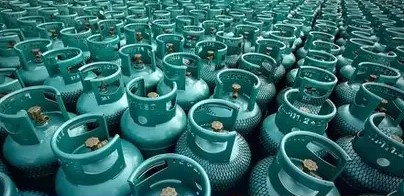
A clean, sustainable biogas energy solution produced from livestock manure and food waste useful for household cooking, small vehicles, and energy needs, offering an eco-friendly alternative to firewood, charcoal, and fossil fuels.
LEARN MORE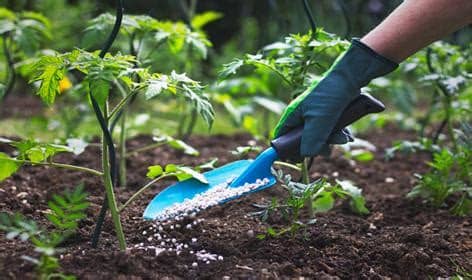
A high-quality, organic granular fertilizer made from livestock manure, food waste, and solid by-product of biogas production. It is designed to enhance soil fertility and support regenerative farming practices, improving crop yields for smallholder farmers.
LEARN MORE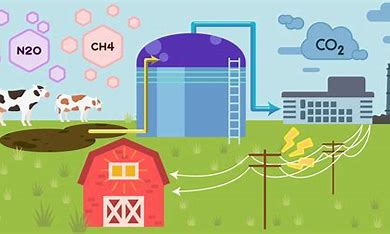
BioNest Africa provides tailored waste management solutions for households, farmers, livestock keepers, and local businesses. We convert crop residues into nutritious feeds for livestock, poultry, and fish, while transforming livestock manure and food waste into clean biogas and organic fertilizer. Our services reduce environmental impact, promote clean energy, enhance soil health, and improve climate resilience and livelihoods.
LEARN MORE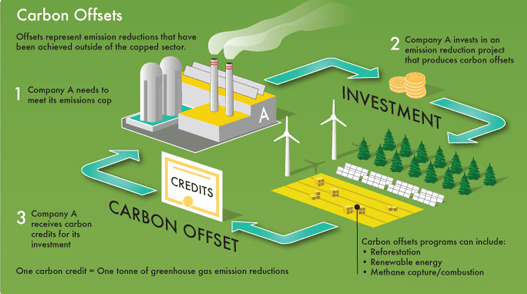
BioNest Africa's initiatives qualifies as a GHGs offset solution, allowing organizations to invest into climate-friendly initiatives through verifiable credits. The company supports international climate finance and socially responsible investment.
LEARN MORE
A tech-enabled mobile team that provides regular monitoring, servicing, and troubleshooting of biogas digesters to ensure optimal performance and longevity. Farms under regenerative agricultural innovations are also periodically monitored.
LEARN MORE
Onsite practical trainings tailored to combine our innovations such as proper utilization of organic fertilizers, practical guides, and workshops, are all designed to empower farmers with regenerative farming techniques that improve soil health and productivity sustainably.
LEARN MORE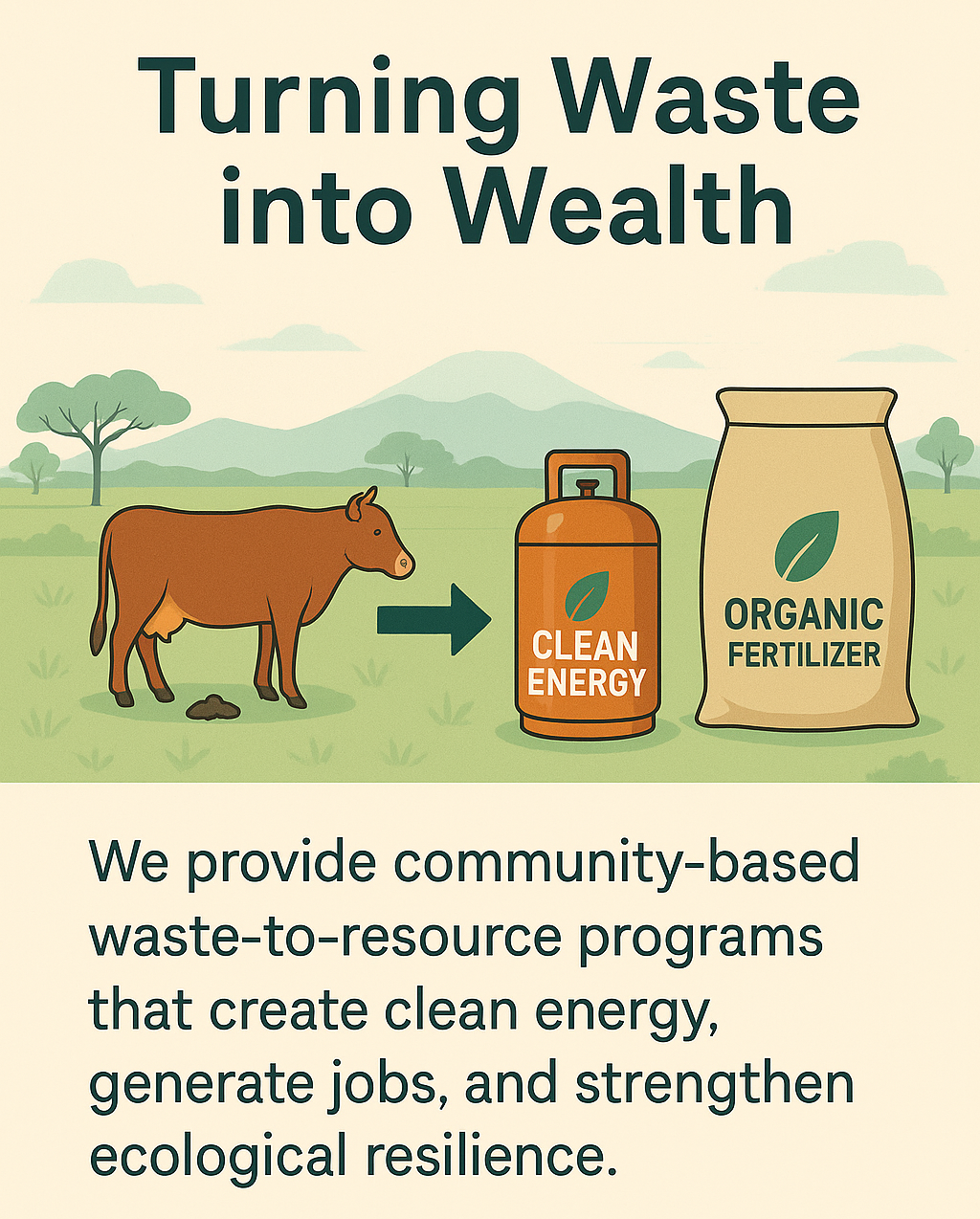
BioNest Africa is a pioneering Tanzanian start-up focused on promoting clean energy and regenerative agriculture. The company offers a sustainable waste-to-value model that converts crop residues, food waste, and livestock manure largely underutilized resources in peri-urban and rural Tanzania into two key products: (i) nutritious feeds for livestock, poultry, and fish; (ii) clean energy, and (iii) high-quality organic granular fertilizer.
Through strategic partnerships and venture investment, BioNest Africa works directly with livestock keepers, farmers, and local enterprises across Tanzania, ensuring community involvement, product-market fit, and rapid adoption of a circular economy model. By reducing methane, carbon, and other harmful emissions, BioNest Africa’s solutions also qualifies for GHGs emission offset project, attracting climate finance and socially responsible investments.
Our flagship initiative converts organic waste, an abundant resource in rural Tanzania, into clean Energy and premium organic fertilizer. This dual-output approach addresses both energy needs and soil fertility challenges faced by local communities.
Through our integrated models, we create synergies between different sectors including agriculture, pharmaceutical industry, waste management, public health, and education. These interconnected approaches ensure holistic solutions that benefit communities while preserving the environment.
LEARN MORE
BioNest Africa's initiatives qualifies as a GHGs offset solution, allowing organizations to invest into climate-friendly initiatives through verifiable credits. The company supports international climate finance and socially responsible investment.
LEARN MORE
A tech-enabled mobile team that provides regular monitoring, servicing, and troubleshooting of biogas digesters to ensure optimal performance and longevity. Farms under regenerative agricultural innovations are also periodically monitored.
LEARN MORE
Onsite practical trainings tailored to combine our innovations such as proper utilization of organic fertilizers, practical guides, and workshops, are all designed to empower farmers with regenerative farming techniques that improve soil health and productivity sustainably.
LEARN MOREOur solutions are designed with sustainability at their core, transforming waste into valuable resources while reducing environmental impact.
We work directly with local communities, providing training, resources, and opportunities for economic growth and environmental stewardship.
Our methods go beyond sustainability to actively regenerate ecosystems, improve soil health, and enhance biodiversity.
We leverage cutting-edge technology to create efficient, accessible, and scalable solutions for clean energy and regenerative agriculture.
We build strong partnerships with farmers, businesses, NGOs, and government agencies to create lasting positive impact.
Our locally-focused solutions contribute to global climate goals and sustainable development objectives.
1. What is BioNest Africa's mission?
BioNest Africa is a startup focused on sustainable innovations within the regenerative agriculture and circular economy sectors. Our mission is to turn waste into valuable resources, such as biogas, organic fertilizers, and livestock feed, while promoting environmental sustainability, improving livelihoods, and fostering climate resilience across Africa.
2. What types of funding is BioNest Africa seeking?
BioNest Africa is seeking various types of funding including seed capital, venture capital, impact investment, grants, and strategic partnerships to scale our operations, expand our product offerings, and increase our market reach across Tanzania and eventually other parts of Africa.
3. Why is BioNest Africa seeking funding?
We are seeking funding to scale our operations, expand our production capacity, enhance our technology, increase market penetration, and develop new products and services. The funding will also support our research and development efforts to innovate more sustainable solutions for regenerative agriculture and clean energy.
4. What makes BioNest Africa a promising investment opportunity?
BioNest Africa offers a compelling investment opportunity due to our innovative business model that addresses multiple challenges simultaneously: waste management, clean energy access, soil degradation, and climate change. We have demonstrated traction with over 50,000 households reached, established partnerships with key stakeholders, and a scalable model with multiple revenue streams.
5. What are BioNest Africa's goals with the funding?
Our goals include expanding production capacity for biogas and organic fertilizer, developing new product lines, enhancing our technology for remote monitoring and maintenance, expanding our market reach to new regions, strengthening our team with key hires, and investing in research and development for continuous innovation.
6. How can investors and venture capitalists benefit from partnering with BioNest Africa?
Investors can benefit from both financial returns and impact outcomes. Financially, we offer multiple revenue streams, a growing market for sustainable solutions, and potential for significant scale. From an impact perspective, investors contribute to environmental sustainability, climate change mitigation, improved agricultural productivity, and economic empowerment for rural communities.
7. How can investors get involved with BioNest Africa?
Investors can get involved through equity investment, providing debt financing, offering grants for specific projects, entering into strategic partnerships, or participating in our upcoming funding rounds. We welcome discussions with interested investors to explore the best collaboration approach based on mutual goals and expectations.
8. What sectors and regions does BioNest Africa target?
We primarily operate in the clean energy, regenerative agriculture, and waste management sectors. Currently, our operations are focused in Tanzania, particularly in the Arusha, Moshi, Babati, and Singida regions, with plans to expand to other parts of Tanzania and eventually to neighboring East African countries.
9. How does BioNest Africa align with global sustainability trends?
BioNest Africa aligns perfectly with several global sustainability trends and frameworks including the UN Sustainable Development Goals (particularly SDGs 2, 7, 12, 13, and 15), the Paris Climate Agreement, circular economy principles, and the growing focus on regenerative agriculture and nature-based solutions for climate change mitigation and adaptation.
"A Bold Vision for a Greener, Cleaner Africa" BioNest Africa is what happens when smart innovation meets local empowerment. I first heard about them during a youth climate innovation forum in Arusha. Their idea of converting manure into clean-burning, portable biogas and regenerative fertilizer is genius—but even more impressive is their commitment to working with communities, not just for them.

Tech-for-Good Enthusiast / Youth Leader
"A Blueprint for Climate-Smart Agriculture and Energy Access" Our NGO recently collaborated with BioNest Africa on a pilot project in northern Tanzania, and we were thoroughly impressed. Their approach to climate-smart waste management aligns perfectly with global sustainability goals. The portability of their ABG cylinders means clean energy access isn't limited to urban centers.

Environmental NGO Representative
"Turning Waste into Opportunity – A True Game-Changer for Rural Tanzania!" BioNest Africa is doing something extraordinary. As someone from a rural farming community, I've seen firsthand the challenges of manure disposal, rising fuel costs, and poor soil quality. BioNest's solution tackles all three with one elegant system. Their portable G'energy biogas cylinders are not only clean and safe but reduce our dependency on charcoal and firewood.

Community Impact & Innovation (General Public)